
Self Billing: What It Is and How It Works with Peppol
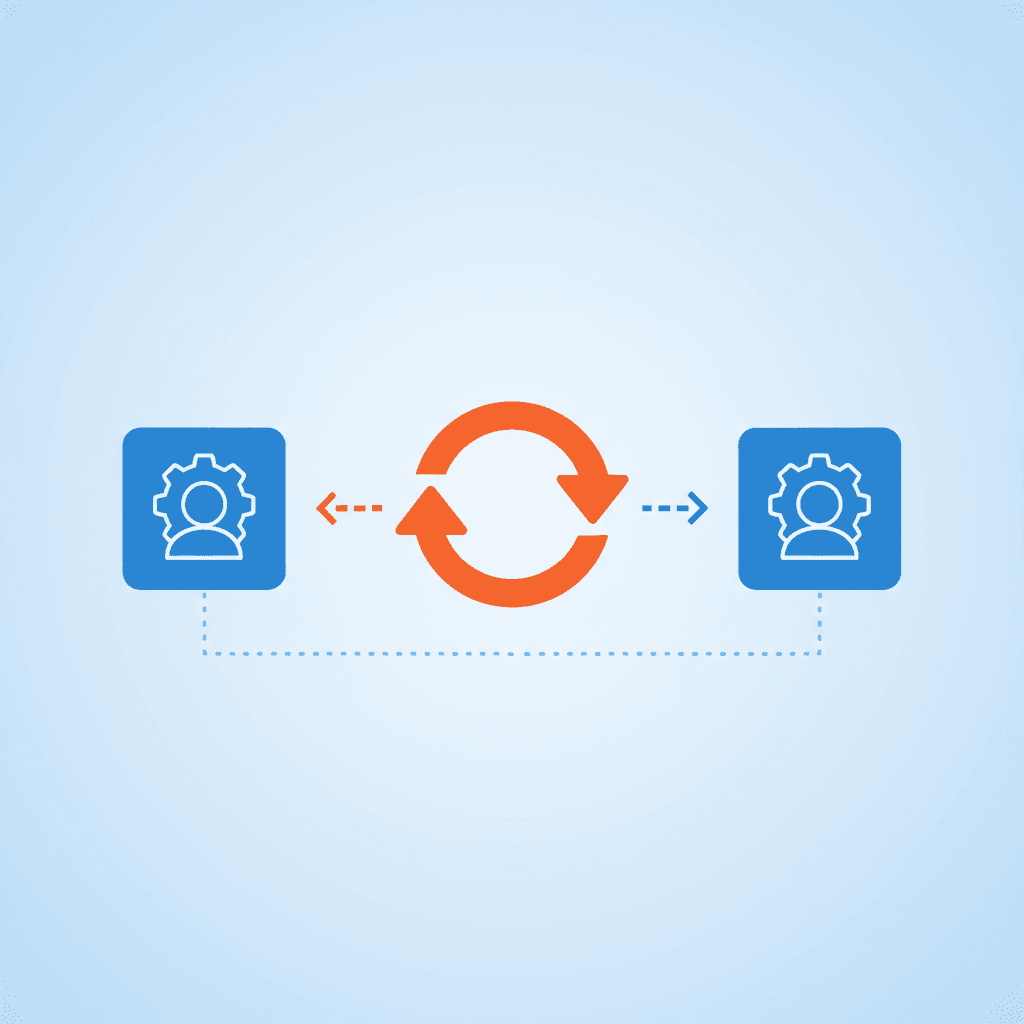
In a normal invoicing flow, the seller creates and sends the invoice to the buyer. With self billing, it is the other way around. The buyer creates the invoice on behalf of the seller. This is common in industries with high transaction volumes or complex pricing. Here is how it works, when to use it, and how it fits into Peppol e-invoicing.
The short version
- Self billing means the buyer creates the invoice instead of the seller. Both parties must agree to this arrangement in writing.
- It is legal in Belgium and the EU, as long as a self billing agreement is in place and the seller accepts each invoice.
- Peppol supports self-billed invoices using invoice type code 389 in the UBL standard.
In this article
1. What is self billing?
Self billing (also called buyer-created invoicing or zelffacturatie in Dutch) is a billing arrangement where the buyer generates the invoice instead of the seller. The buyer calculates what they owe, creates the invoice document, and sends it to the seller for acceptance.
The seller does not need to create or send an invoice at all. They simply review and accept the self-billed invoice created by the buyer. The invoice is still a valid tax document for both parties.
Normal invoicing
Self billing
2. When is self billing used?
Self billing is common in situations where the buyer has better information about quantities, pricing, or timing than the seller. Typical use cases include:
Retail and supermarkets
Large retailers receive thousands of deliveries from hundreds of suppliers. The retailer knows exactly what was delivered and scanned at the warehouse. It is more efficient for them to create the invoices based on actual receipts than to wait for each supplier to send one.
Staffing and temp agencies
Companies that hire temporary workers often use self billing. The hiring company knows the hours worked and creates the invoice for the agency based on timesheets.
Consignment and commission sales
When goods are sold on consignment, the buyer (reseller) only knows what was sold after the fact. They create the invoice to the supplier based on actual sales data.
Royalties and licenses
The licensee calculates royalties based on usage or sales data and creates the invoice on behalf of the licensor.
3. How does self billing work?
The self billing process follows these steps:
Establish a self billing agreement
Both parties sign a written agreement authorizing the buyer to issue invoices on behalf of the seller. This is a legal requirement.
Buyer creates the invoice
Based on goods received, services rendered, or agreed terms, the buyer generates the invoice. It must include all mandatory invoice fields, including the seller's VAT number.
Invoice is sent to the seller
The buyer sends the self-billed invoice to the seller. Via Peppol, this is delivered as a structured e-invoice with the self-billing indicator.
Seller reviews and accepts
The seller checks the invoice and confirms it is correct. If they do not object within the agreed timeframe, it is considered accepted. The seller uses it for their VAT reporting.
Buyer processes payment
The buyer pays the amount on the self-billed invoice. Both parties record the invoice in their accounting.
4. The self billing agreement
A self billing agreement is mandatory. Without it, a self-billed invoice is not a valid tax document. The agreement must include:
Keep the agreement on file
Both parties must retain the self billing agreement for the same period as invoices (7 years in Belgium). Tax authorities may request it during an audit to verify the validity of self-billed invoices.
5. VAT rules for self billing
Self billing is allowed under EU VAT Directive Article 224. Belgium has implemented this in its VAT code. Here are the key rules:
Seller remains liable for VAT
Even though the buyer creates the invoice, the VAT obligation stays with the seller. The seller must include the self-billed invoices in their VAT return.
Same mandatory fields as regular invoices
A self-billed invoice must contain all fields required for a regular invoice: seller and buyer details, VAT numbers, line items, VAT amounts, totals, and payment terms.
Must be clearly marked as self-billed
The invoice must include the mention "Self-billing" or "Zelffacturatie" to indicate the buyer created it. In Peppol, this is done via invoice type code 389.
No duplicate invoicing
The seller must not issue their own invoice for the same transaction. This would create a duplicate, causing VAT reporting errors.
6. Self billing with Peppol e-invoicing
Since January 2026, B2B invoices in Belgium must go through Peppol. This includes self-billed invoices. Peppol BIS Billing 3.0 fully supports self billing through the UBL invoice type code system.
| Invoice type code | Description |
|---|---|
380 | Regular commercial invoice (default) |
389 | Self-billed invoice |
381 | Credit note |
261 | Self-billed credit note |
When you create a self-billed invoice via the e-invoice.be API, you set the document type to SELFBILLING_INVOICE. The API automatically maps this to UBL invoice type code 389. The rest of the process is the same as a regular invoice: you provide the JSON data, we convert to UBL, validate, and deliver via Peppol.
POST https://api.e-invoice.be/api/documents/
Authorization: Bearer YOUR_API_KEY

{
  "document_type": "SELFBILLING_INVOICE",
  "invoice_id": "SB-2026-001",
  "invoice_date": "2026-02-17",
  "due_date": "2026-03-17",
  "vendor_name": "Supplier BV",
  "vendor_tax_id": "BE0111222333",
  "customer_name": "Your Company NV",
  "customer_tax_id": "BE0123456789",
  "items": [
    {
      "description": "Raw materials delivered",
      "quantity": 100,
      "unit_price": 25.00,
      "tax_rate": 21.00
    }
  ]
}
For more details on API integration, see our e-invoicing API guide. For the full list of supported document types, check the API documentation.
7. Frequently asked questions
What is self billing?
Self billing is a process where the buyer creates the invoice on behalf of the seller. Instead of the seller issuing the invoice, the buyer generates it based on the goods or services received, and sends it to the seller for acceptance.
Is self billing legal in Belgium?
Yes. Self billing is explicitly allowed under Belgian and EU VAT law (EU VAT Directive Article 224), provided both parties have a written self billing agreement in place and the seller accepts each invoice.
Does self billing work with Peppol e-invoicing?
Yes. Peppol BIS Billing 3.0 supports self-billed invoices. The invoice is marked with invoice type code 389 to distinguish it from a regular invoice (code 380).
Do I need a self billing agreement?
Yes. A written agreement between buyer and seller is required by law. It must specify that the buyer will issue invoices on behalf of the seller, and that the seller agrees to accept them. Both parties must keep this agreement on file for at least 7 years.
Who is responsible for VAT on a self-billed invoice?
The seller remains responsible for the VAT, even though the buyer creates the invoice. The self-billed invoice must contain all the same VAT details as a regular invoice. The seller includes it in their VAT return.
Can I use e-invoice.be for self billing?
Yes. You can create and send self-billed invoices via e-invoice.be, both through the dashboard and via the API. Set the document type to SELFBILLING_INVOICE and the rest of the process is the same. The invoice is sent as a compliant Peppol e-invoice to the seller.
Free e-invoicing tools
- Invoice Viewer Inspect self-billing invoice structure and UBL fields
- Peppol Radar Check if your suppliers are registered on Peppol
- VAT Number Validator Verify VAT numbers before issuing self-billed invoices
Need to send self-billed invoices via Peppol?
Create and send self-billed e-invoices from one platform. Full Peppol compliance, invoice type 389 support, and API integration for automation.
Setting up self-billing flows? 15 min with someone who's done it 100x.
VAT agreement templates, recipient consent workflow, Peppol document type setup. Bring your scenario. We'll work through it together on one call.

Vendor-neutral. No obligation to switch platforms.